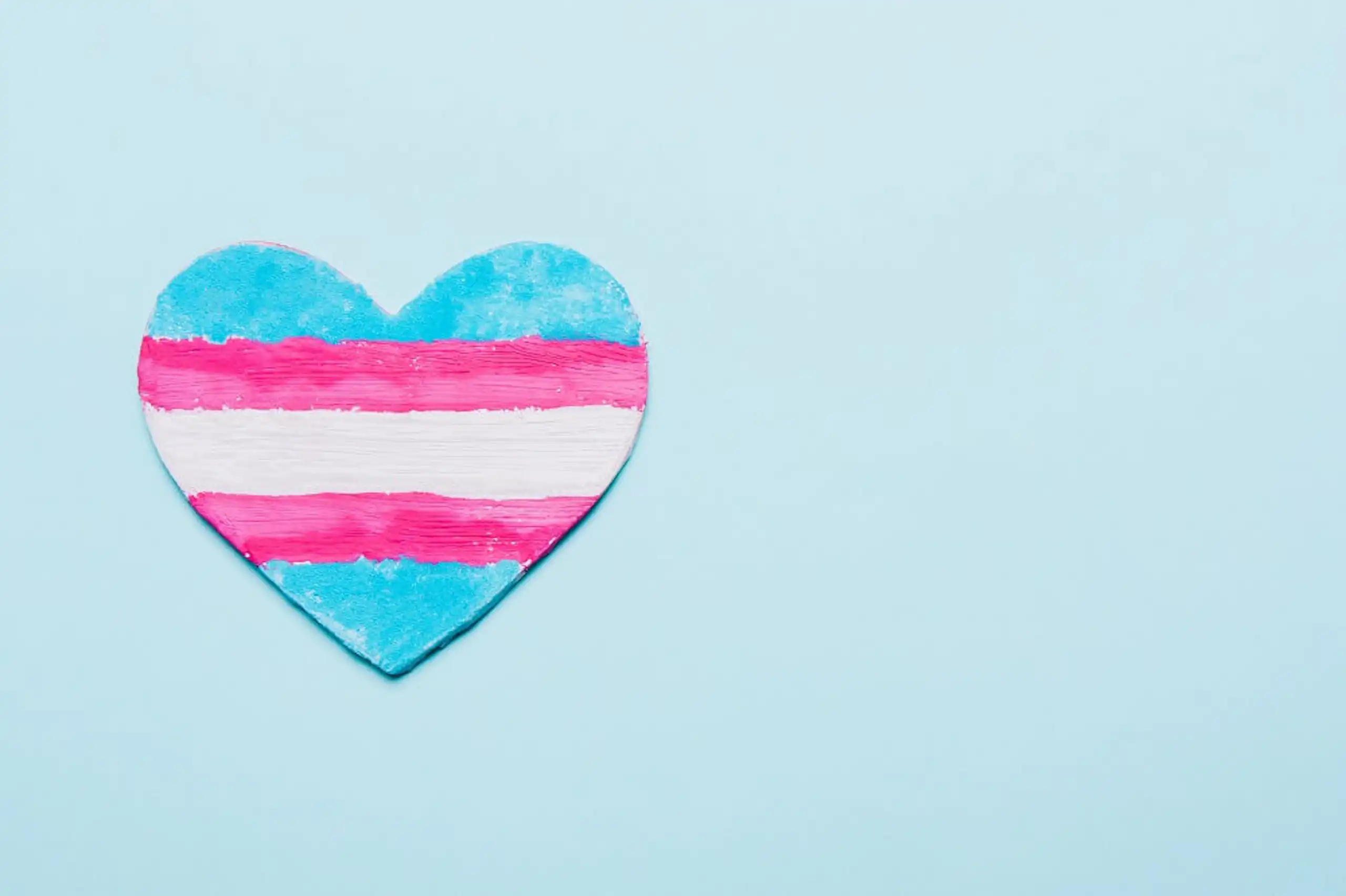
On the 31st of March every year, we celebrate International Transgender Day of Visibility (TDOV), a day that raises awareness of the transgender community in a positive light. Raising trans awareness is essential to increasing visibility and allyship.
Trans people have to deal with discrimination day in, day out. Transphobia is widespread. Statistics show that 4 in 5 trans people experience some form of transphobic hate crime. In this guide, we’ll talk more about the history of TDOV and how to observe this incredibly important awareness day.
Top-line statistics on transphobia
A report from Galop shows that assault is more the norm for trans people than the exception. The report surveyed 227 trans participants and found that in 12 months:
• 6 in 10 had experienced transphobia online
• 5 in 10 had experienced transphobia on the street
• 3 in 10 had experienced transphobia at work
• 1 in 4 had experienced transphobia at home
We must take action to see improvements in attitudes towards trans people—and that’s what International Transgender Day of Visibility Day is all about.
When was Transgender Day of Visibility started?
TDOV was first observed on March 31st 2009. Created by trans advocate Rachel Crandall – US based transgender activist and licensed psychotherapist. Their aim was to celebrate transgender and non-binary people, as well as raise awareness about the discrimination they face.
What can I do to show my support?
In the sections below, we’ll look at things you can do to support trans people today.
International Transgender Day of Visibility is the perfect opportunity to learn more about the community. Even if you just take a small chunk of time out of your day, you’ll be making a difference towards the greater good. We all need to educate ourselves to understand trans issues and stand up and speak out (where it is safe to do so).
Here are some resources you might find helpful:
• TED Talk: A short history of trans people's long fight for equality
• Stonewall: The truth about trans people
• Supporting the Transgender People in Your Life: A Guide to Being a Good Ally
• Tips for allies of transgender people
Identity terms guide
Knowing the correct terminology to use will help you communicate with trans people you know, and it will also help you to raise visibility and stand up for trans issues. We’ve put together some terms below to help get you started:
• Sex - the gender a person was biologically assigned to at birth. Sex is usually categorised as male, female or intersex
• Intersex - a term used to refer to a variety of conditions in which a person is born with a sexual anatomy that doesn't fit into the usual categories of male or female. You can find out more on the NHS website
• Gender - the social norms associated with the sexes. Gender is often categorised as male, female or non-binary
• Gender identity - refers to a person’s internal sense of their gender, whether this is a man, woman, both or neither
• Gender expression - how a person expresses their gender through behaviour, clothing or other outward characteristics
• Cisgender (or cis) - an adjective that describes a person whose gender identity aligns with the sex they were assigned at birth
• Transgender (or trans) - a person whose gender identity is different from the sex they were assigned at birth
• Nonbinary - a term used by people who feel as though they don’t fit into the category of man or woman
• Agender - a term that describes a person who doesn’t identify as any gender.
• Gender-expansive - an adjective describing someone with a more flexible gender identity than the typical gender binary
• Gender transition - the process a person takes to align themselves with their gender identity
• Gender dysphoria - the sense of unease a person might have from living in non-alignment with their gender identity. Trans people can experience this at varying levels or not at all
Please note that this is not an exhaustive list of terminology. Visit Stonewall to learn more.
Respecting gender identity
It can take some time to understand gender identity. But one of the most important things you can do is research, have an open mind, be understanding with others, listen, and respect anyone who opens up about their gender identity.
Be considerate when you’re asking questions, and think about what’s appropriate. It’s never ok to ask a trans person what genitalia they have (unless you are their doctor etc). You wouldn’t ask someone who doesn’t identify as transgender this question—so don’t ask a transgender person.
Pronouns
Using the correct pronouns for trans or nonbinary people is a way to show your allyship, acceptance and consideration for them. Try to listen to the pronouns they use to describe themselves so you can mirror this.
If you’re unsure, maybe you could start by introducing your pronouns and asking them the same. Remember that some people might not feel comfortable sharing this information in a public setting. So it might be better to ask the person when you’re in a more private place.
If you get someone’s pronouns wrong, don’t worry. Just quickly correct yourself and move on.
Speaking out in support
Showing your support for the trans community by speaking up and challenging anti-transgender comments or conversations is a powerful way to show your advocacy. If you hear someone using the wrong pronouns then politely correct them. Every time you take an action in this way, we move one step closer to a supportive, inclusive society. Remember that your emotional and physical safety must come first - only speak out if you feel it is safe to do so.