

Student
Neurodiversity as a student
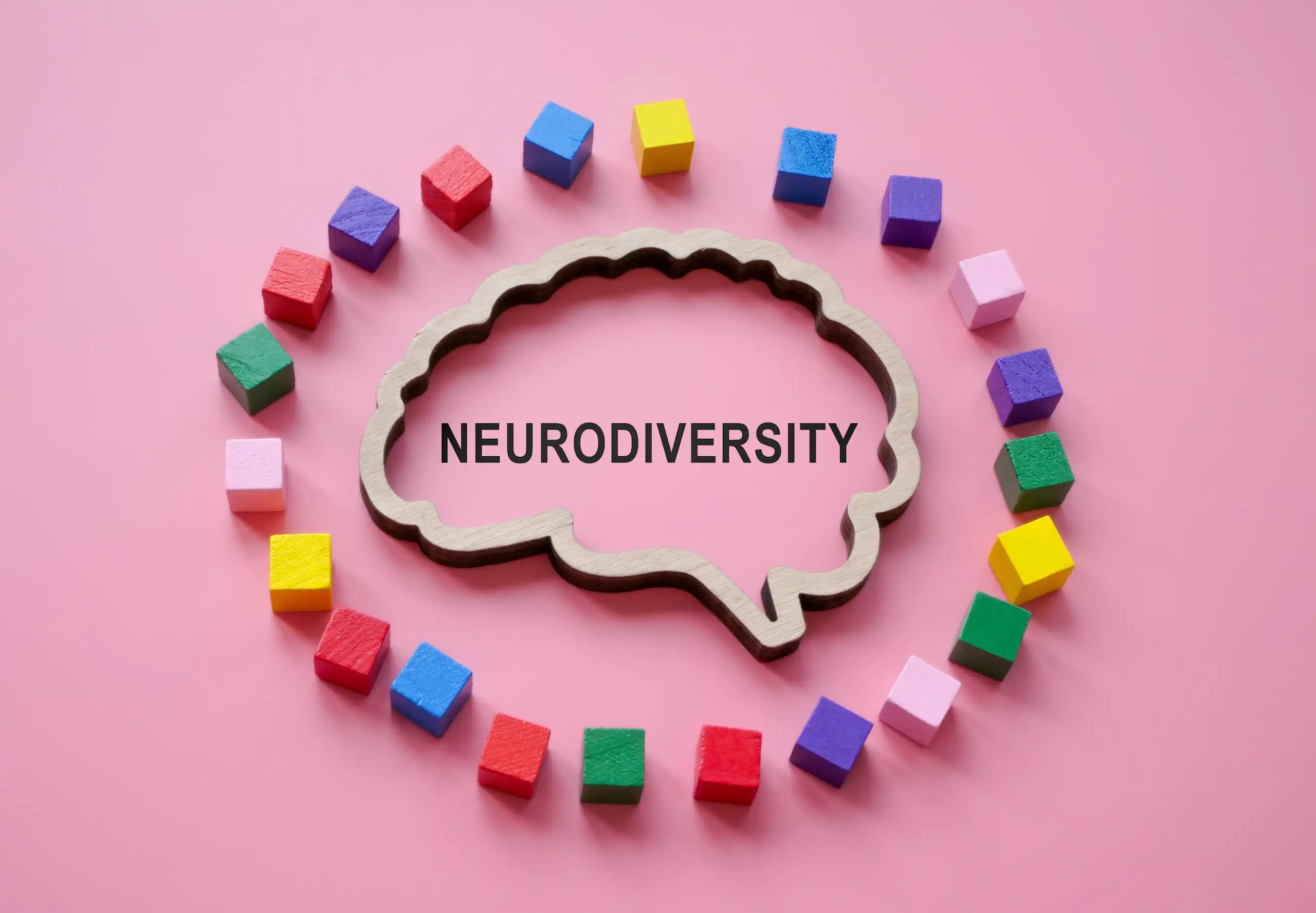
Neurodiverse students face unique challenges in education - college and university included. And while awareness of neurodiversity and their associated conditions is increasing, there is still much more progress to be made to accommodate individuals.
If you’re a neurodiverse student – diagnosed or not - you’ll likely be aware of the challenges and frustrations within education. If you’re unsure, this article will shed light on this by discussing the challenges and strengths of being a neurodiverse student in education.
What is a neurodiverse student?
A neurodiverse student is an individual in academia who has a condition that falls under the neurodiversity spectrum. These may be one or a combination of the following:
• Attention Deficit Hyperactivity Disorder (ADHD)
• Autism Spectrum Disorder (ASD)
• Dyslexia
• Dyspraxia
• Dyscalculia
• Dysgraphia
• Tourette’s Syndrome
• Obsessive-Compulsive Disorder (OCD)
What are the challenges faced by neurodiverse students?
As neurodiverse conditions are often experienced on a spectrum (meaning levels and severities vary), the challenges that present themselves differ per person. Some students may be able to manage their symptoms with self-help strategies and tools, while others may require additional support such as talking therapy and/or medication.
Here are just some of the things neurodiverse students may find challenging in an academic setting.
Academic structures
The rigidity of classroom settings can often be a challenge for neurodiverse students. This is often because classrooms have a rigid teaching style and environment that does not take into account each student’s unique learning styles. In the case of an individual with ADHD, they may struggle to focus for long periods of time, while someone with dyslexia may struggle to complete written tasks and/or exams on time.
Social
Social cues can be a struggle for some individuals who are neurodiverse. While this varies, it’s common in individuals with ASD, who may struggle to exhibit physical emotion or social cues that neurotypical individuals may not understand. This can cause neurodiverse individuals to feel isolated and misunderstood.
Emotional
It’s common for some neurodiverse individuals to “mask” their behaviours and mirror others in their surroundings to fit in. This suppression of behaviour can be mentally taxing and even risk lowering one’s self-esteem in the long run.
Environmental
With the social nature of student life, some neurodiverse students may be overstimulated by their environment. From loud music to multiple conversations, focusing on one-to-one and/or group conversations can be especially difficult.
Support gaps
A student may not know they are neurodiverse in some way and may dismiss their behaviours as “quirks”. On the flip side, students who do have a formal diagnosis may not know where to access mental health and learning support, making college or university life hard to adjust to.
What strengths do neurodiverse students have in academia?
Deep focus
Also known as hyperfocus, many neurodivergent students can excel in areas they genuinely find interesting. From topics to specific tasks, the time, creativity and attention to detail can excel compared to their neurotypical peers.
Analytical thinking
As a result of hyperfocus and intense concentration, it’s common for neurodivergent students to have far more advanced analytical thinking. This can be a huge asset for complex and/or group assignments.
Pattern recognition
Pattern recognition is a very common asset in neurodiverse students and individuals – particularly those with autism. From mathematical errors to spelling mistakes, they can spot things others might miss.
Empathy
Due to neurodiverse conditions having a higher inclination to emotional sensitivity, they are more likely to be more empathetic in situations that call for it. This comes as a result of neurodiverse individuals having a higher emotional response to external stimuli.
Creativity
Neurodiverse individuals are “wired differently” – and this is a widely positive thing for many applications, especially creativity. With different ways of viewing problems, they can offer fresher perspectives that challenge norms.
Seeking support as a neurodiverse student
While neurodiversity brings many strengths, navigating college or university can still feel overwhelming — especially if you’re unsure where to begin with getting the support you need. The good news is that most institutions have systems in place designed to help you succeed both academically and personally. Here are some practical steps to help you get started.
1. Contact your college or university
Most institutions will have a dedicated Learning Support and/or Disability team you can turn to for additional support. They can guide you in accessing the accommodations you need, such as counselling, deadline extensions and more. Even if you’re not completely sure what you’re struggling with, reaching out early can make a big difference.
2. Have your diagnosis handy
In cases where you need additional materials and/or equipment, having your diagnosis report can help. If you have a formal diagnosis, keep any relevant documents (such as a letter from a GP, psychologist, or specialist) somewhere accessible. Most institutions require evidence to put certain adjustments in place, so having this ready can speed up the process and help staff understand the best way to support you.
3. Know what support you can access
Universities and colleges often have more support options available than students realise. These may include:
• Extra time or a quieter room for exams
• Assistive technology such as text-to-speech tools
• Specialist study skills support
• Flexible deadlines or coursework adjustments
• Academic mentoring
• Access to quiet study spaces
• Grants and bursaries to help fund additional equipment
Understanding what’s available helps you advocate for yourself and make the most of the resources designed to help you succeed.
4. Seek support if you are undiagnosed
If you suspect you may be neurodiverse but don’t yet have a diagnosis, you can still ask for help. Many student support teams can offer interim adjustments or guidance based on the challenges you’re experiencing. Being open about what you find difficult — whether that’s organisation, focus, sensory environments, or written work — can still lead to meaningful support.
5. Seek a diagnosis if you need to
If you feel a formal assessment would give you clarity, speaking to your GP or healthcare provider is a good place to start. A diagnosis is entirely personal and not something you have to pursue, but it can help unlock additional academic support and help you understand yourself better. Some colleges and universities also offer screening tools or referral pathways to speed up the process.
6. Speak to a qualified counsellor for support
Being neurodiverse in college of university can come with many pressures from masking behaviours to feeling misunderstood in social settings. Counselling can offer a confidential space to talk through how you’re feeling and learn ways to manage stress, overwhelm, or low self-esteem. Most institutions offer free counselling services, and many students find this to be a helpful outlet during challenging periods.
How a Student Assistance Programme can help
A Student Assistance Programme (SAP) can provide an additional layer of support alongside the services already offered by your college or university.
Available around the clock all year round, our SAP provides confidential, immediate help whenever you need it, which can be especially valuable during stressful periods or outside of typical support hours. Our qualified counsellors can offer in-the-moment support, as well as refer students on to structured counselling our financial information lines if needed. For neurodiverse students, this continuous access to emotional and practical guidance can be particularly reassuring, offering a steady source of support whether you’re feeling overwhelmed, navigating academic pressures, or simply need someone to talk to. By combining professional advice with flexible availability, a SAP can help you feel more grounded and supported throughout your academic journey.
Conclusion
Being neurodiverse as a student comes with its own challenges, but it also brings incredible strengths that can enrich your academic experience. From creativity and hyperfocus to strong analytical thinking, neurodivergent students contribute perspectives that help shape more inclusive, innovative learning environments. With the right guidance, understanding, and support in place, you can navigate education in a way that plays to your strengths and supports your wellbeing. Remember — you’re not alone, and there are many tools and people ready to help you thrive both in and out of the classroom.

HA | Wisdom Wellbeing
HA | Wisdom Wellbeing is the UK and Ireland’s leading EAP provider. Specialising in topics such as mental health and wellbeing, they produce insightful articles on how employees can look after their mental health, as well as how employers and business owners can support their people and organisation. They also provide articles directly from their counsellors to offer expertise from a clinical perspective. HA | Wisdom Wellbeing also writes articles for students at college and university level, who may be interested in improving and maintaining their mental wellbeing.
Are you an individual looking for EAP support? The Wisdom app is here to help.
If you have access to an EAP with Health Assured you can log-in to the Wisdom app to access your free 24/7, 365 confidential helpline and a range of wellbeing features.
If you are a business or organisation looking to provide your employees with an EAP service and access to the Wisdom App, contact us today to find out about the benefits you can bring to your workforce.