


Stress counselling for employees
Stress counselling gives your employees fast, confidential access to qualified counsellors when pressure or personal challenges begin to affect their wellbeing. It helps UK employers reduce stress‑related absence and build a more resilient workforce.
Reduce absence with fast access to counsellors
Improve wellbeing through confidential support
Build resilience across your workforce

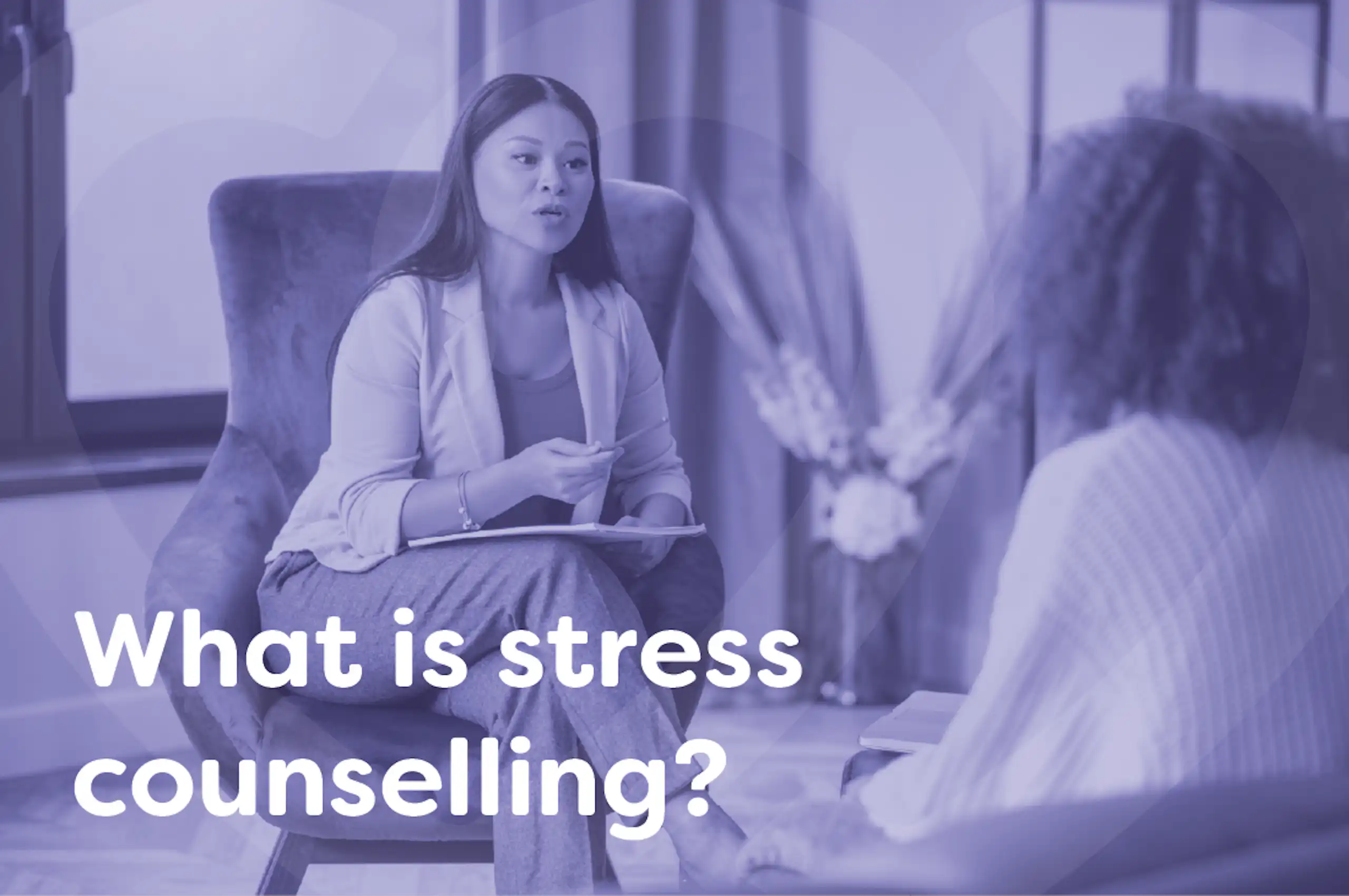
What is stress counselling?
Stress counselling is a structured therapeutic intervention that helps individuals understand the causes of stress, develop healthier coping strategies and prevent symptoms from escalating. Employees learn practical tools to manage workload pressure, emotional strain, conflict, burnout and personal challenges that may be affecting their performance.
For UK employers, stress counselling is a key component of a comprehensive Employee Assistance Programme (EAP) and supports your duty of care under the Health and Safety at Work Act and HSE Management Standards for Work‑Related Stress.
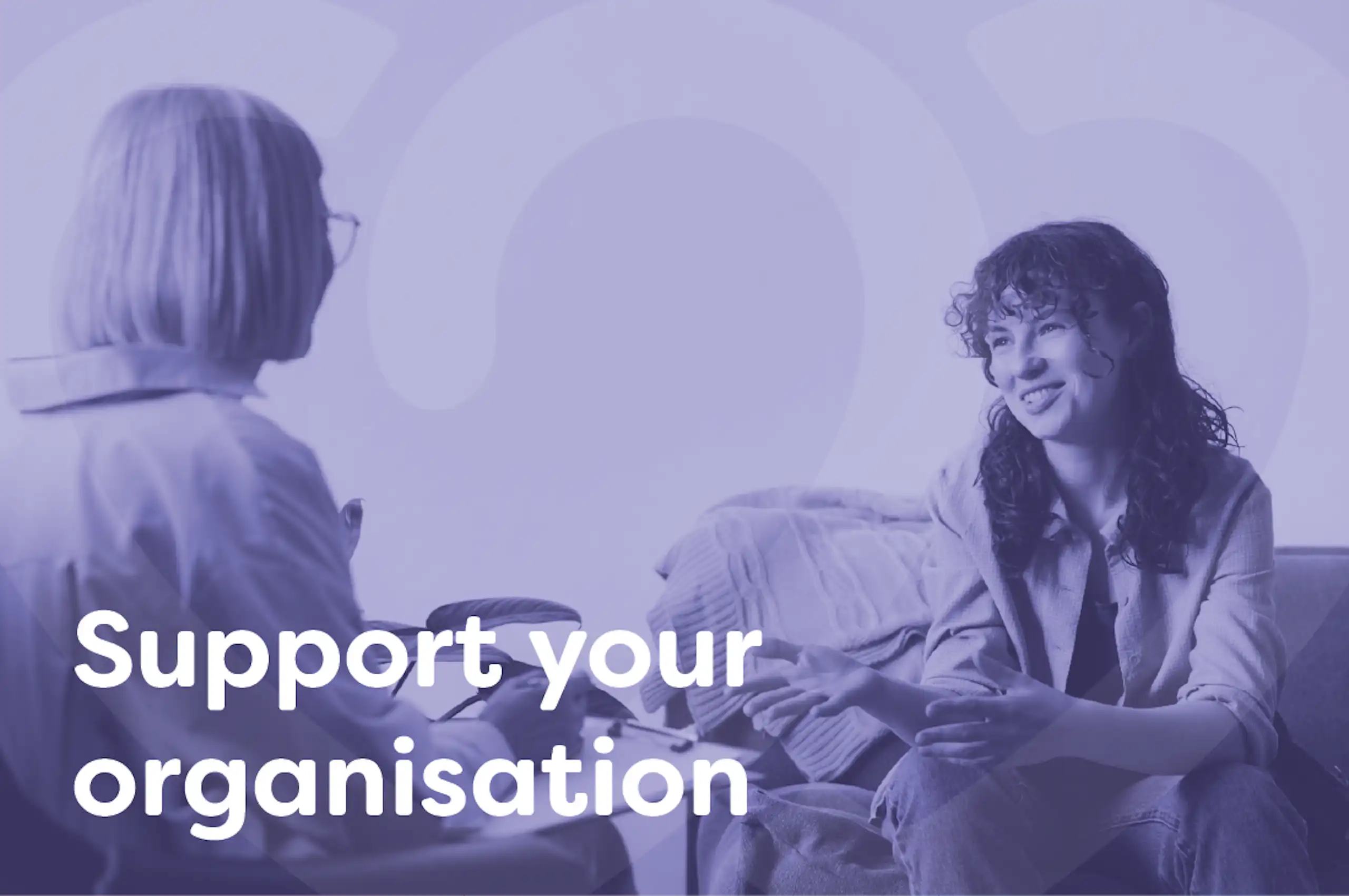
How stress counselling supports your organisation
Unmanaged stress impacts performance, attendance and team cohesion. When left unaddressed, it can lead to burnout, presenteeism and long‑term sickness absence. Providing access to professional counselling helps employers:
Reduce sickness absence through early intervention
Improve productivity by helping employees manage pressure effectively
Support retention by offering meaningful wellbeing support
Meet UK wellbeing obligations under HSE guidance
Common causes of workplace stress
Employees may experience stress due to:
High workloads or unrealistic deadlines
Conflict with colleagues or managers
Organisational change or uncertainty
Personal issues affecting work
Burnout or emotional exhaustion
Lack of support or unclear expectations
Understanding these triggers helps employers take proactive steps to protect wellbeing.
Counselling techniques we use
Our counsellors use evidence‑based therapeutic approaches tailored to each employee’s needs, including:
Mindfulness‑based stress reduction
Anger and emotion management
Resilience and coping skills training
These approaches help employees understand their stressors, challenge unhelpful thought patterns and build long‑term resilience.
Why UK employers choose HA | Wisdom Wellbeing
Trusted by 88,000+ organisations across the UK
24/7 access to qualified counsellors
Fast appointment times for early intervention
Clinically led service with measurable outcomes
Integrated EAP support for a complete wellbeing solution
How quickly can employees access support?
Employees can speak to a qualified counsellor 24/7, with structured counselling sessions arranged quickly to ensure early intervention. This rapid response helps prevent issues from escalating into long‑term absence.
FAQs
Related entities
Employee Assistance Programme (EAP) — A workplace benefit providing employees with confidential counselling, wellbeing support and practical guidance to help manage personal or work‑related challenges.
Work‑related stress — The physical and emotional response that occurs when job demands exceed an employee’s ability to cope, often leading to reduced performance, absence and burnout.
Cognitive Behavioural Therapy (CBT) — A structured therapeutic approach that helps employees identify unhelpful thought patterns, manage stress responses and build healthier coping strategies.
Mental health in the workplace — The emotional, psychological and social wellbeing of employees, influenced by workload, culture, relationships and organisational support.
Sickness absence — Time away from work due to illness, often increased by unmanaged stress, burnout or mental health concerns.
Occupational health — Specialist workplace health support that helps employers manage employee wellbeing, fitness for work and return‑to‑work planning.
Employee wellbeing — A holistic view of an employee’s physical, mental and emotional health, shaped by workplace culture, support systems and job demands.
Burnout — A state of emotional, physical and mental exhaustion caused by prolonged stress, often resulting in reduced productivity and disengagement.
Backed By Brands That Trust Us